About Navid Khan
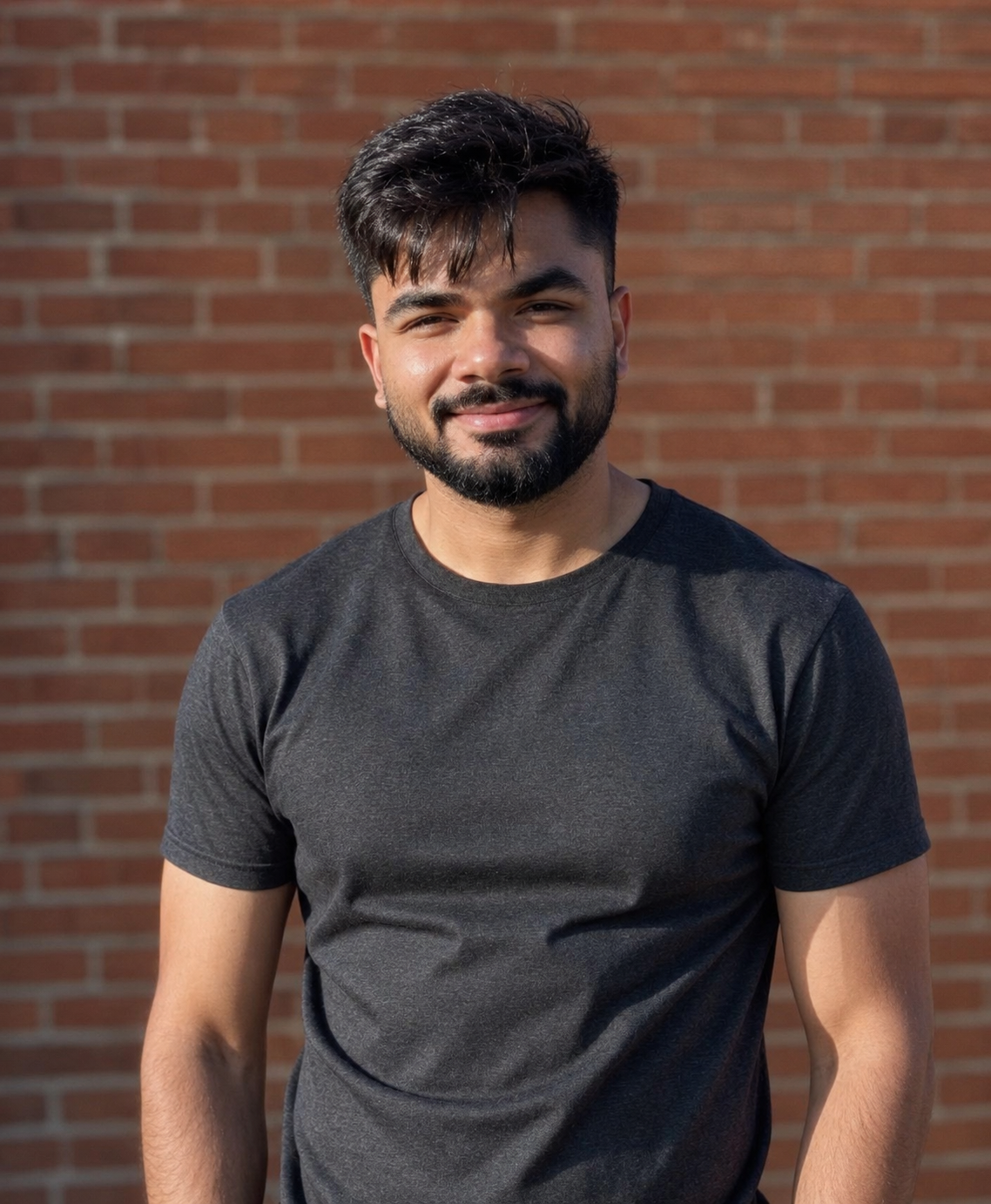
Hi, I'm Navid. I'm a software engineer (I think?).
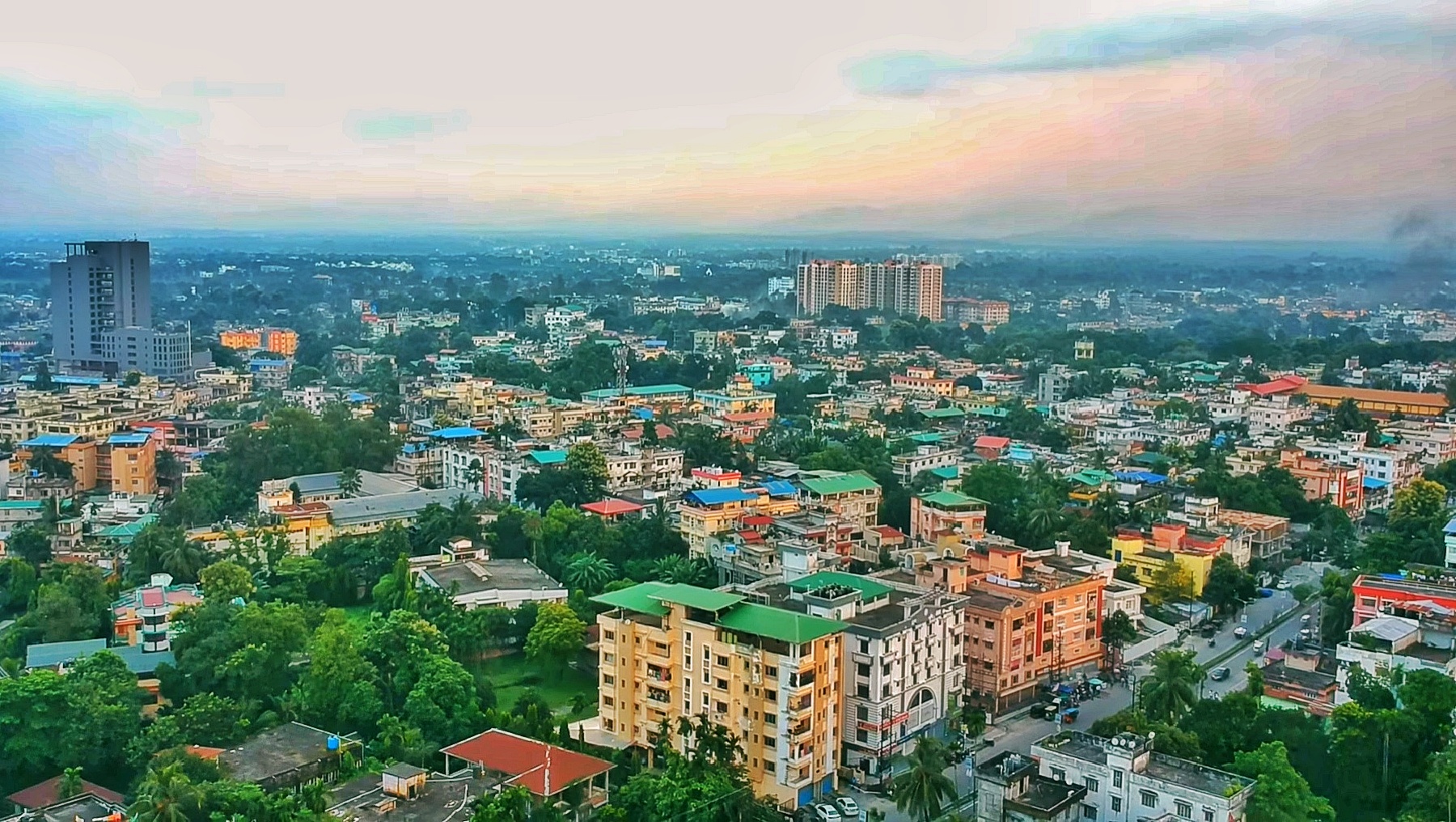
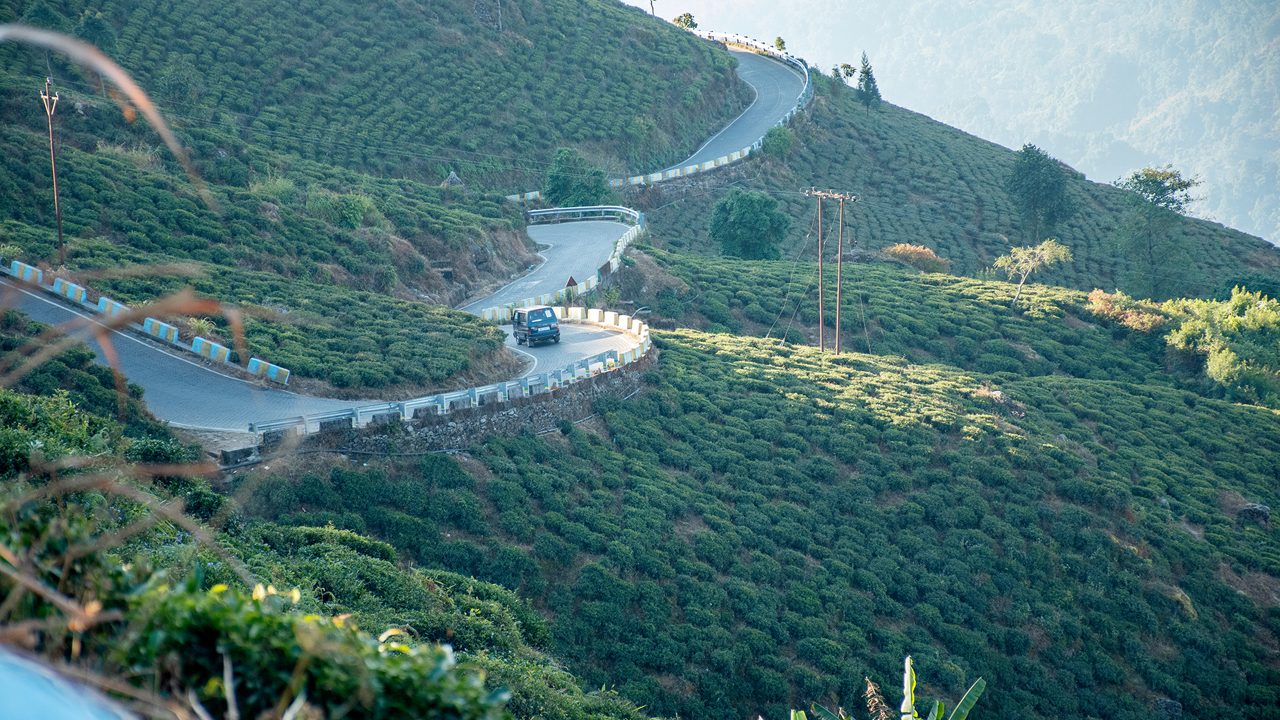
I grew up in Siliguri — a small city in the foothills of the Himalayas, in West Bengal, India. It's a long way from here.
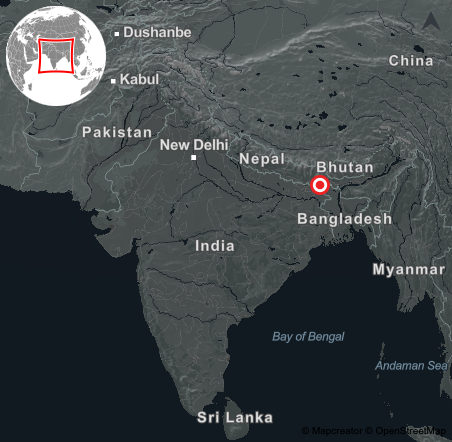
It was a quiet town then, with weather that still knew how to behave — this was before global warming taught it otherwise. Now Siliguri boils for most of the year, like the rest of the country.
Coconut palms grew everywhere, leaning over walls and rooftops. One grew right outside our building, and it grew up alongside me. When we moved in, its fronds barely reached my second-floor window; by the time I finished school it had overtaken the building. We'd reach out, catch a leaf, and rock the whole tree until a coconut came down — then take a screwdriver and a hammer from my father's toolbox and punch three neat holes through the shell to drink the water inside. (In India the floor on the ground is the ground floor — number zero. North America starts counting at one, which is, of course, wrong.)
Down the same road, a little shop at the corner doubled as our bus stop. Every morning we waited there in the half-light for the school bus — really just a city bus, moonlighting. Once the children were dropped off, the driver swapped the board on the front and spent the day ferrying strangers around town, the fares painted along its flank, until it was time to come back for us.
Inside it was dark and close, a small television up front and speakers wired along the roof, music playing the whole way — mostly whatever the radio gave him. That's how I learned my pop and my Bollywood. RJ Naved was big in those years; same name as me, spelled differently, his voice filling the bus on the long ride. An hour there, an hour back.
There was a wide, dusty playground nearby with a few half-broken rides, and I spent most of my childhood on a bicycle — first a small red one, then a bigger black one — riding to every friend's house in town. I still carry the entire map of Siliguri in my head.
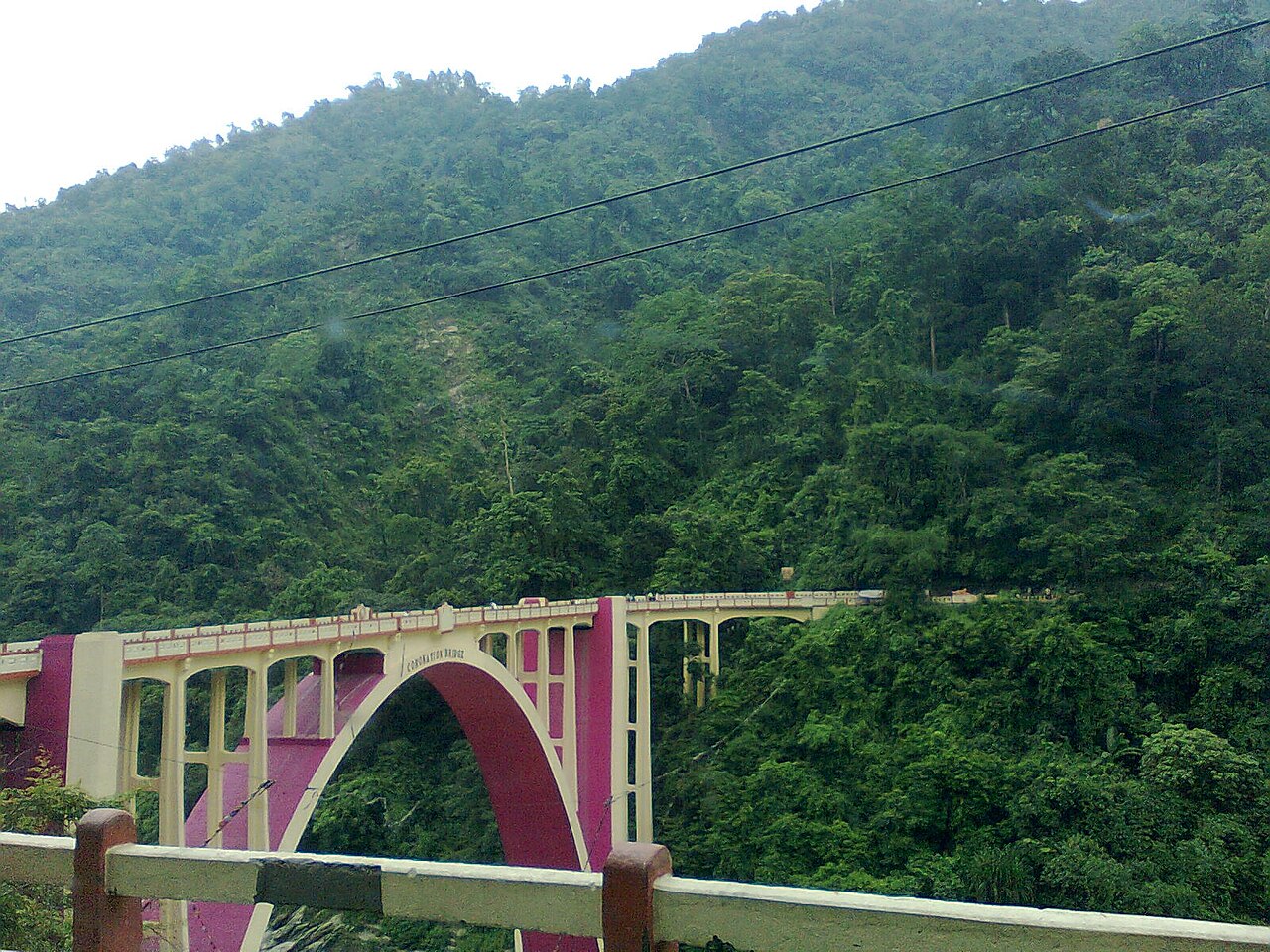
I've never known a city that completely since. I spent about ten years in the Delhi–Gurgaon sprawl after school and learned the routes between home and work and a handful of friends, but never the whole of it. Part of that is just maps: once your phone holds the map for you, you stop building one of your own.
In 2023, I moved to Toronto.
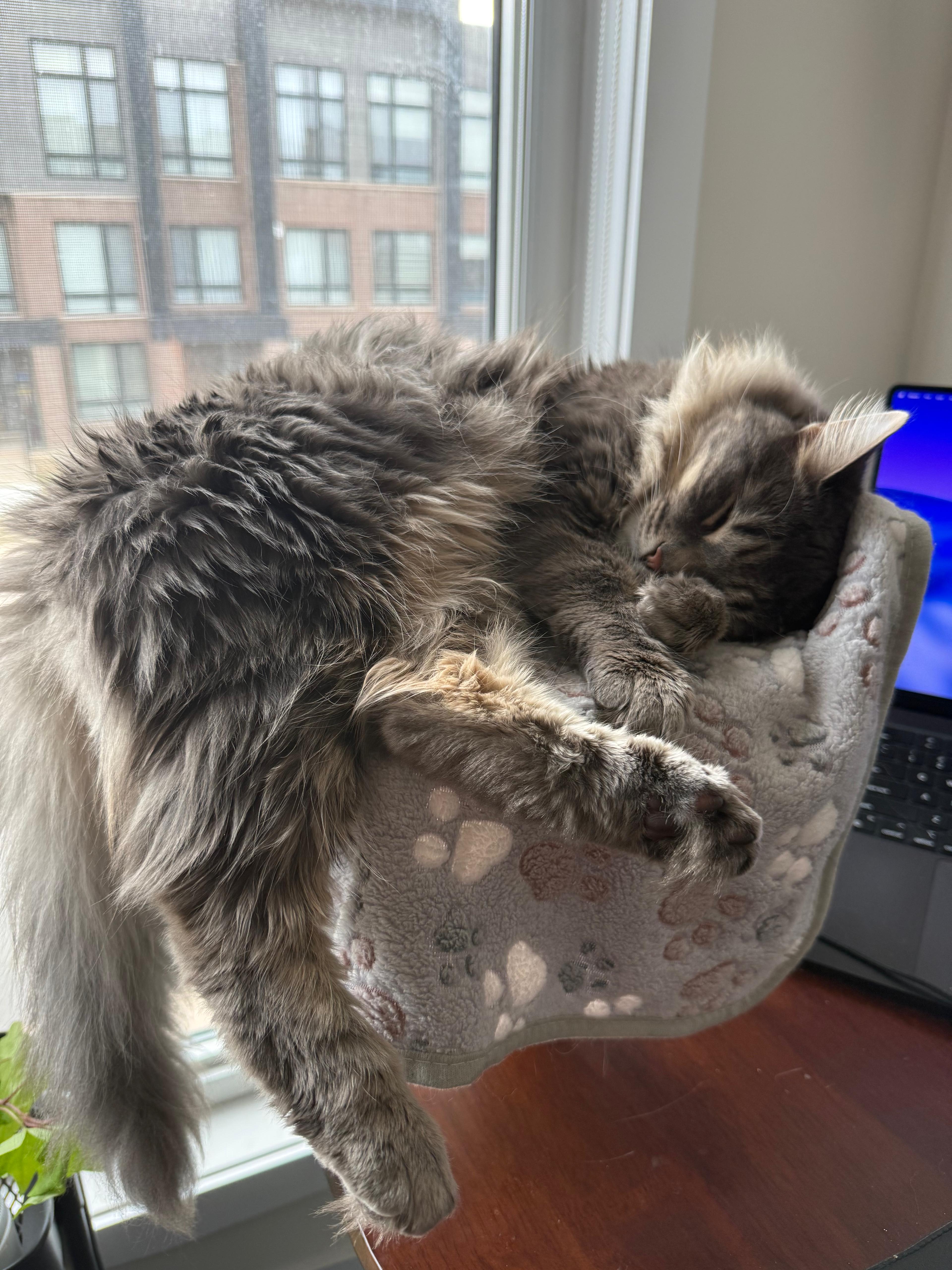
I live here with Aditi, my wife. I'm prouder of her than of anything I've built — of who she is, and of the work she does at Women First. I keep telling her to put something on aditipadiyar.com; maybe one day you'll find something there. She loves animals; we both read more than we have any business doing ; and we travel any chance we get . We share our home with two cats, Obi and Zuzu — the soul of my life.

I like it here. The thing I miss most, absurdly, is 220 volts — back home the microwaves hit harder and the hair dryers actually meant business.
More than anything, I like that this country isn't built on the backs of the poor. You could afford a beautiful life in India precisely because everything is cheap — and everything is cheap because it is taken from people paid almost nothing: the men who pour the concrete, the house help, the drivers, the guards, the shopkeepers. The West doesn't come with those conveniences, and I'll take the trade. I'd rather live where the wealth is shared more evenly.
I walk more here. The city makes it easy, and I've come to love it.
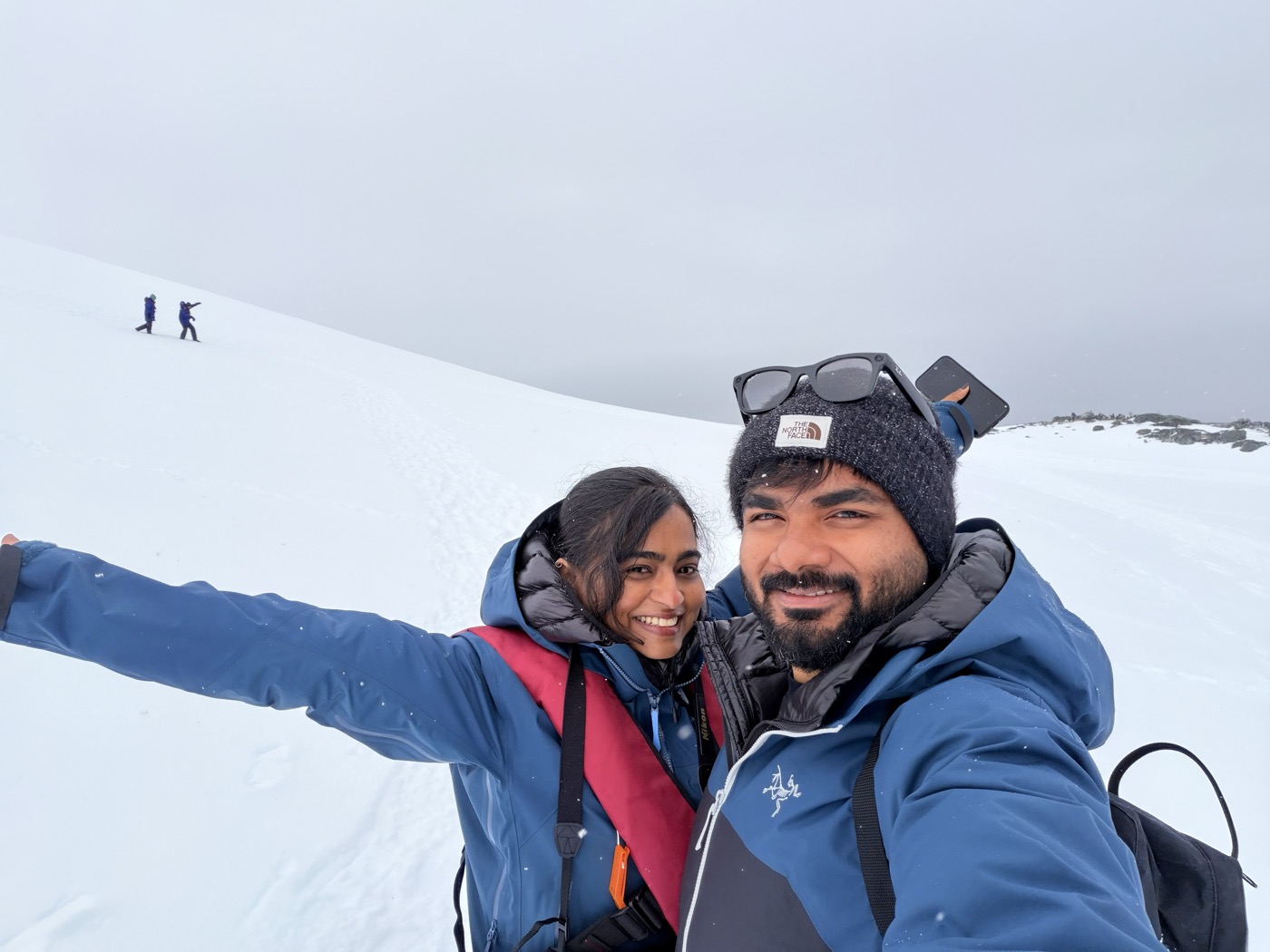
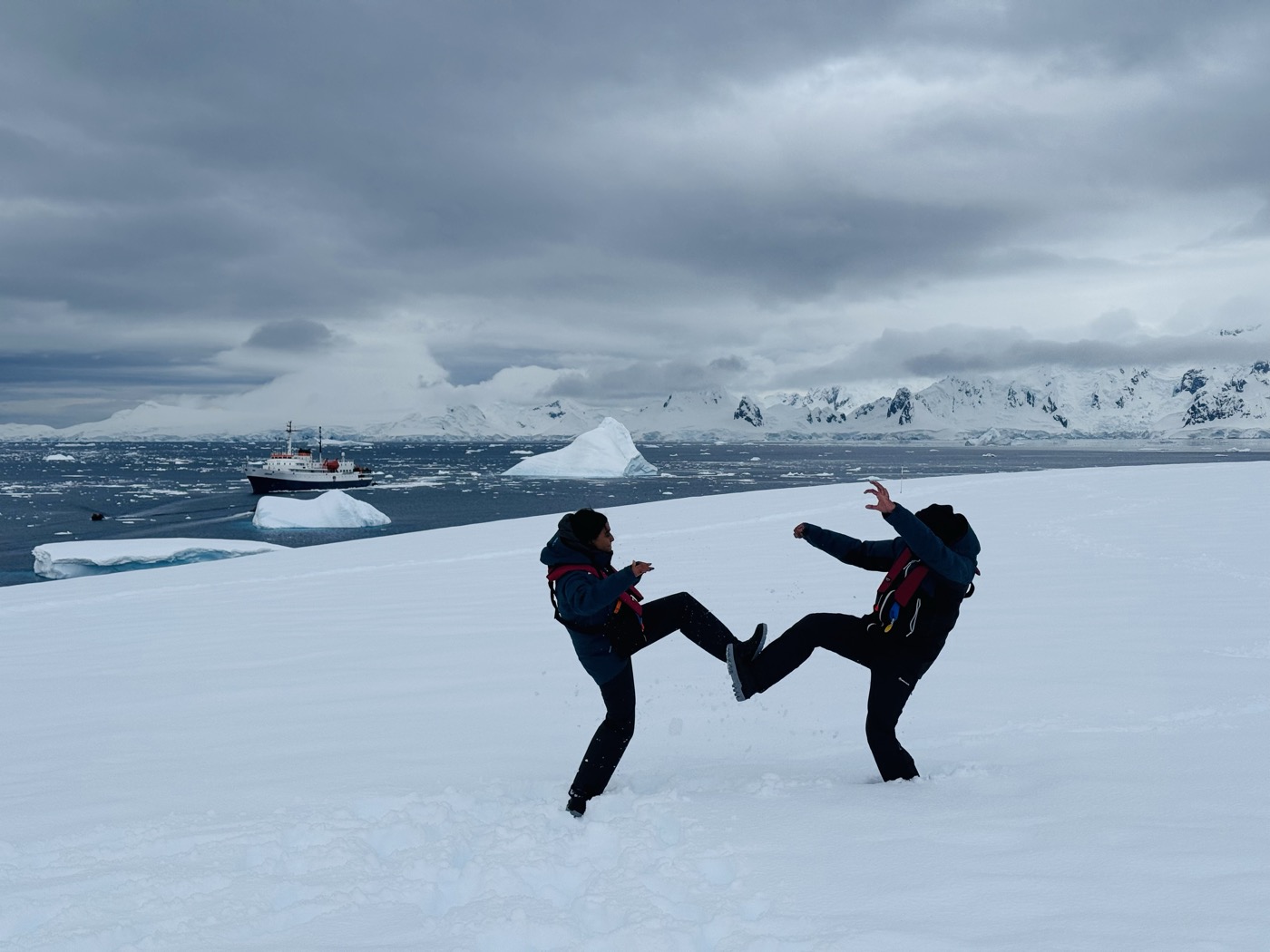
I've been a software engineer for twelve years. Like a lot of us, I started by teaching myself, and I've kept teaching myself most of what I know since. I'm proud of that — the quiet pride of having drawn my own map.
There's almost nothing I love more than building. Right now I've got a bad case of LLM psychosis: suddenly too much is possible, I want to build all of it at once, and I burn through tokens like they're free.
I never really decided to start a company; I just wanted to build, and one thing led to the next. I was already building in university, spending far more time on my own code than on anything I was supposed to be doing. I'd come to hate math by then anyway.
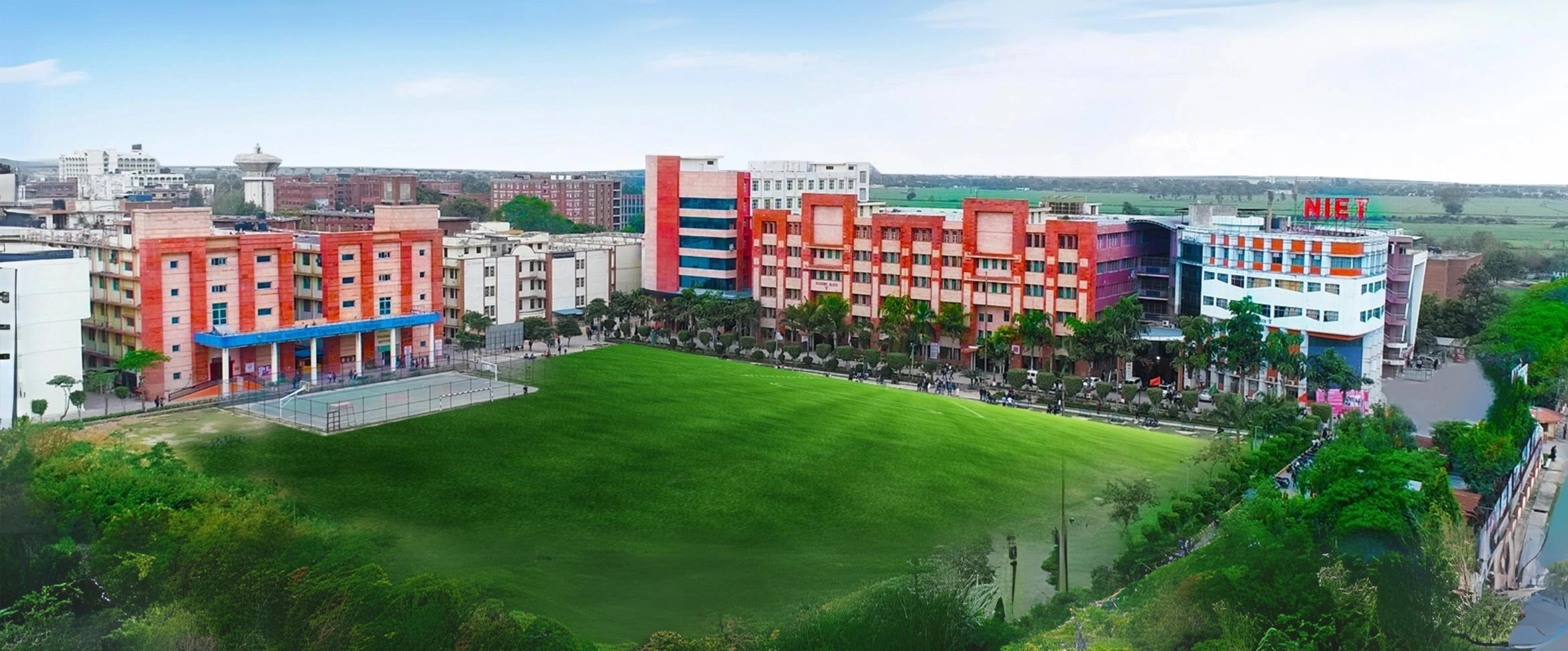
So I dropped out of the Noida Institute of Engineering and Technology (🤮) and started an IT services firm in Gurgaon called Big Drop. A few years later it was acquired.

After that came Square1 — meant to be a Shopify for India, before Shopify itself arrived and got big there. It went through India Accelerator and the Global Accelerator Network, and it didn't make it. Not everything does.
These days I'm at Canary Technologies, building software for hotels. I joined as the sixth engineer and the twenty-first employee. It's where I learned to be a serious engineer; most of the principles I hold close came from my years there.

I'm electrified by what AI has cracked open — it's most of what I think about now, and I want to build so much more.
Software gave me this whole life; it's my greatest passion. I came from a small place, a long way from here, and not many people make it out. I'm proud of the road, I'm happy, and I'm nowhere near done.
When I'm tired from work, I code to relax.
Reach me at [email protected].